Yorkshire cycling website

Stage 2, Tour de Yorkshire 2019
Stage 2 of the Tour de Yorkshire 2019 is on Friday 3rd May 2019. It's 132km from Barnsley to Bedale, and is called the World Stage.
Stage 2, men's Tour de Yorkshire 2019: race report & photo

There was a breakaway of six riders on the men's Stage 2: Rob Scott and James Fouche (Team Wiggins), Chris McGlinchey (Vitus Pro Cycling), Tom Stewart (JLT Condor), Fabian Grellier (Total Direct Energie), and Jake Scott (Swift Carbon Pro Cycling).
They were caught before the finish in Bedale. In a bunch sprint, Rick Zabel (Katusha Alpecin) was the winner.
This is a video summary of women's Stage 1/men's Stage 2.
Stage 1, women's Tour de Yorkshire 2019: race report & photos
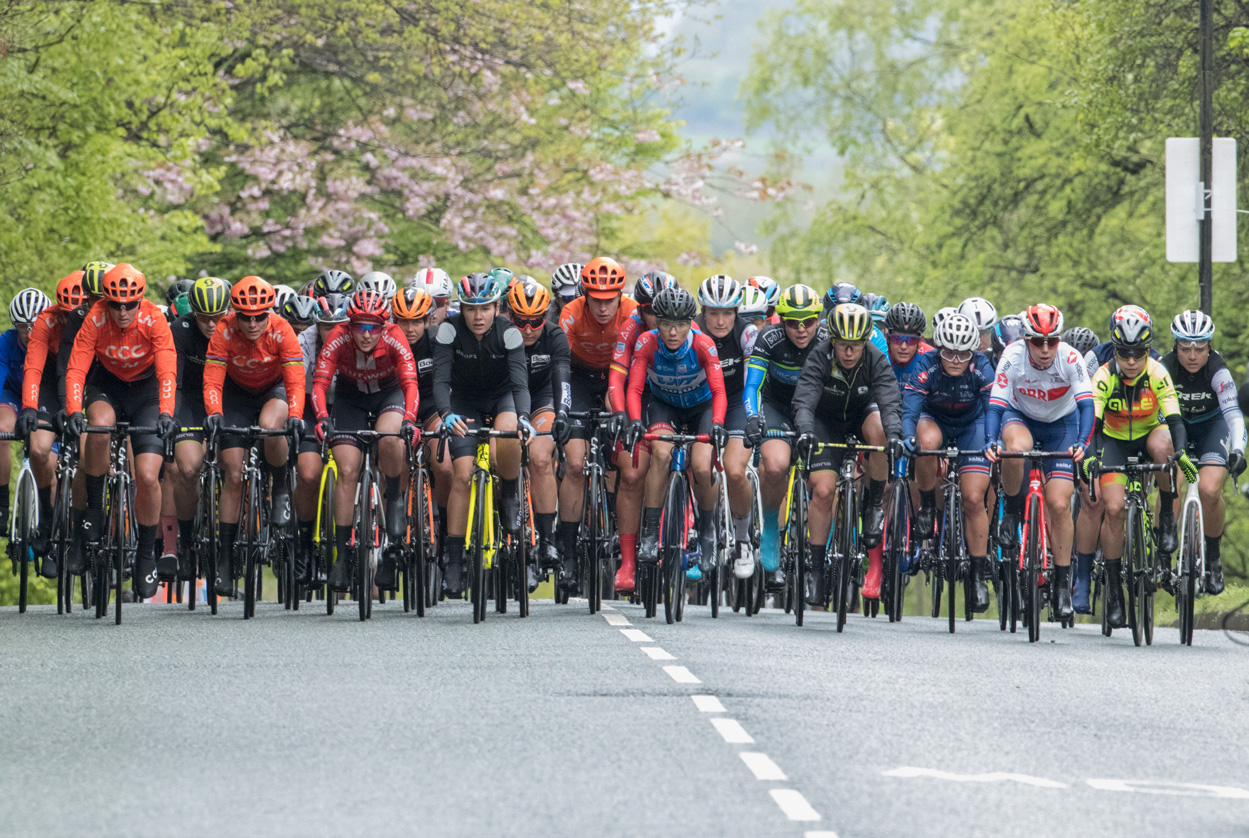
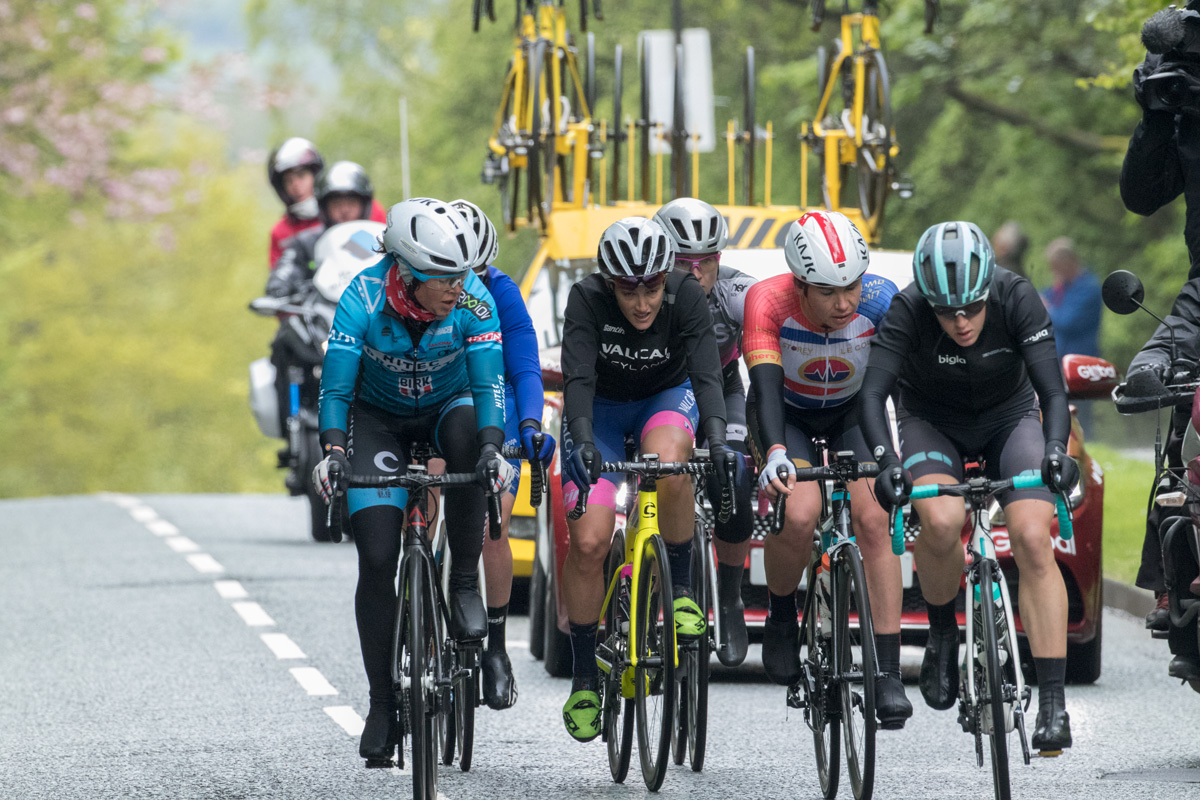
Stage 1 of the women's Tour de Yorkshire 2019 ended in a bunch sprint in Bedale. Lorena Wiebes of Parkhotel Valkenburg produced the fastest finish, to take the stage win and the overall race lead. Lizzie Banks won the only climb of the day, to lead the Queen of the Mountains competition.
Earlier, the riders had done a lap of the Harrogate circuit in front of sizeable crowds, with a breakaway group ahead of the main field at that stage.
Stage 2, Tour de Yorkshire 2019: map, facts and figures
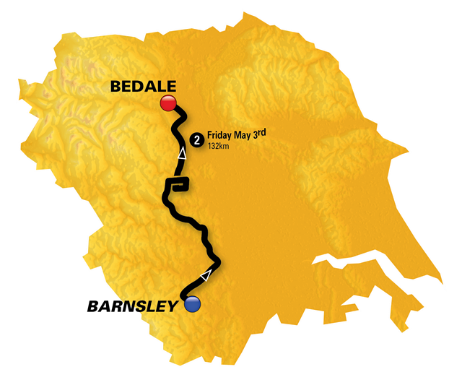
Welcome to Yorkshire have a detailed map of the race route.
| Date | Friday 3rd May 2019 |
|---|---|
| Stage classification | Flat |
| Distance | 132km |
| Intermediate sprints | Pontefract Parliament Street, Harrogate |
| Climbs | Côte de Lindley |
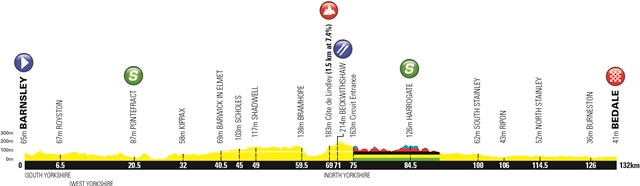
The riders set off from Barnsley at 1445, and arrive at the finish line in Bedale between 1747 and 1804. See full race timings for Stage 2 TDY 2019.
Stage 1, Women's Tour de Yorkshire 2019

The women's Tour de Yorkshire 2019 has two stages. The first is on Friday 3rd May 2019, and takes exactly the same route as the men's Stage 2.
The women set off from Barnsley at 0905, begin the Harrogate circuit at 1107-1119, and reach Bedale between 1233 and 1255. See the full timings for the women's Stage 1, Tour de Yorkshire 2019.
Stage 2, Tour de Yorkshire 2019: the route
Stage 2, Tour de Yorkshire 2019: the start in Barnsley
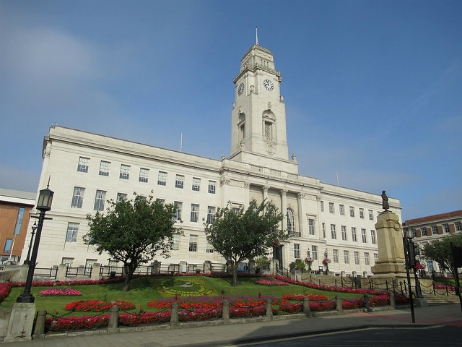
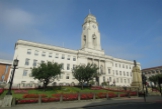
Stage 2 starts in front of Barnsley Town Hall.
The riders make their way north on Church Lane/Huddersfield Road to Wilthorpe. At Low Barugh, they fork right on the B6428 to Mapplewell and Staincross, then continue to Royston.
Stage 2, Tour de Yorkshire 2019: Barnsley to Harrogate
In Royston, the peloton picks up the B6132 for a short distance, before turning right to cross the Barnsley Canal and the Trans Pennine Trail.
The next place on the route is Havercroft. A minor road takes the riders past Wintersett reservoir, and on to Nostell Priory. Then, they are on the B6428 to Purston Jaglin on the edge of Featherstone.
Next, the race takes the A645. The first intermediate sprint comes just before Pontefract.
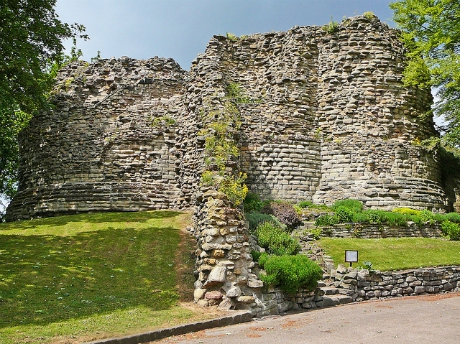
The riders will see Pontefract Castle. They then head for Castleford.
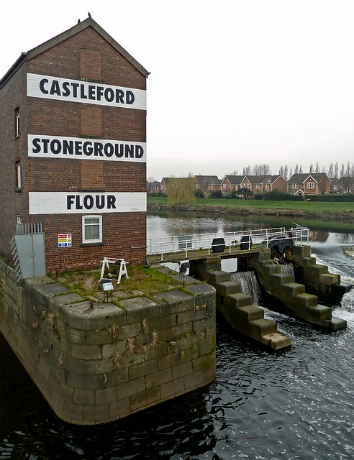
At Castleford, they cross the river Aire with Fairburn Ings to their right, and reach Allerton Bywater. They are now on the A656, which is very straight, and that gives a clue as to who built the original (the Romans).
Stage 2 forks left to Kippax, then heads on north to Garforth (at one end of the Sustrans Garforth to Woodlesford cycle route), before taking a minor road to Barwick-in-Elmet.

Now the Tour de Yorkshire takes a familiar route through Scholes, but quickly diverges from Stage 2 of the 2018 TDY, going to Shadwell and Alwoodley Gates.
The riders pass Eccup reservoir, and head on past Golden Acre Park to Bramhope. After a short stretch of the A660, they turn right on the A658, down Pool Bank.
Instead of taking the main road to Harrogate, they will use the B6161, which leads to Leathley. Shortly after Leathley comes the only categorised climb of the stage, Stainburn Bank (or the Côte de Lindley).
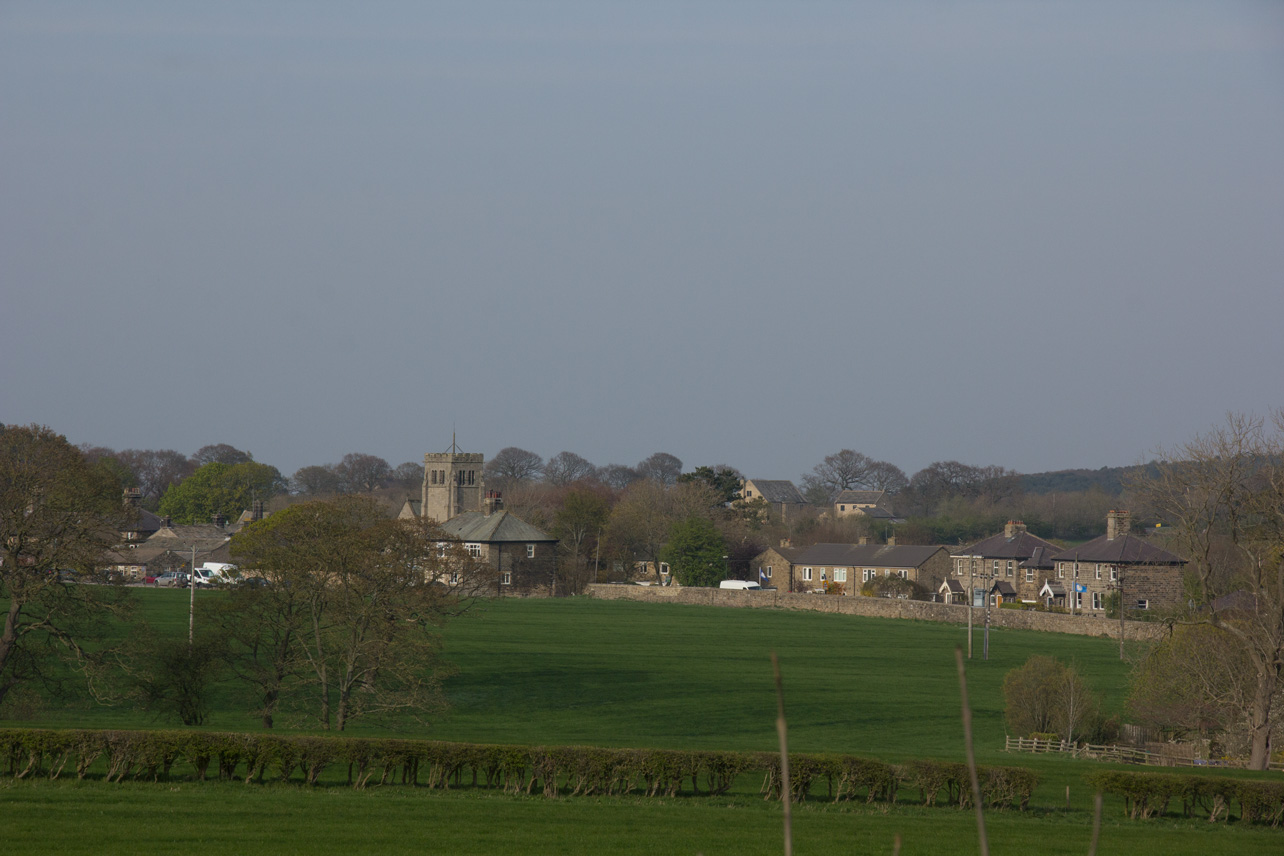
The B6161 continues to Beckwithshaw, on the edge of Harrogate. Here, the riders join the UCI 2019 Harrogate circuit - a circuit used in many of the races at the 2019 road World Championships in Yorkshire. After reaching the centre of Harrogate, the second intermediate sprint is up Parliament Street and West Park to the World Championships start/finish line.
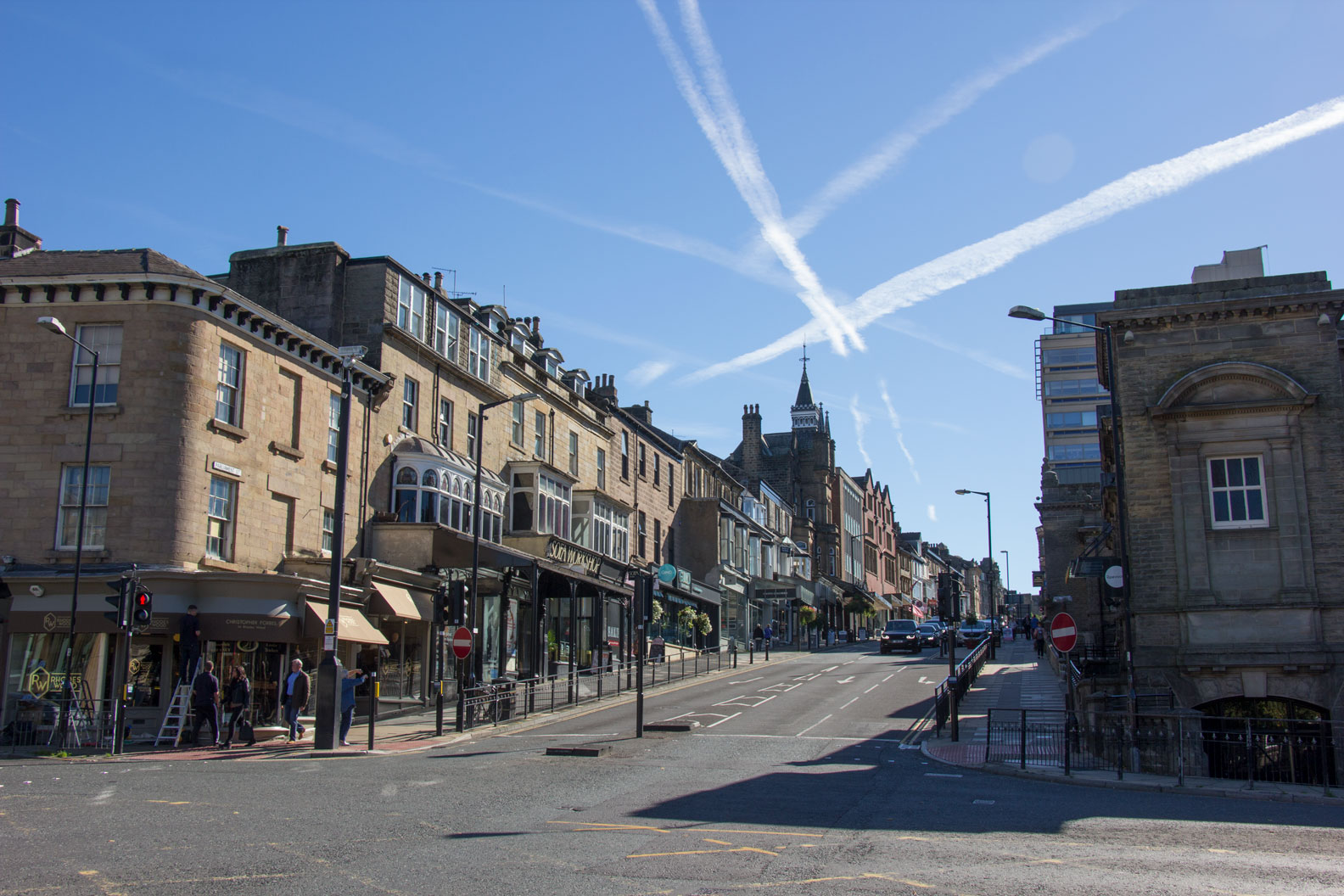
The competitors complete the Harrogate circuit (Otley Road back to Beckwithshaw), then resume their journey to Bedale.
Stage 2, Tour de Yorkshire 2019: Harrogate to Bedale
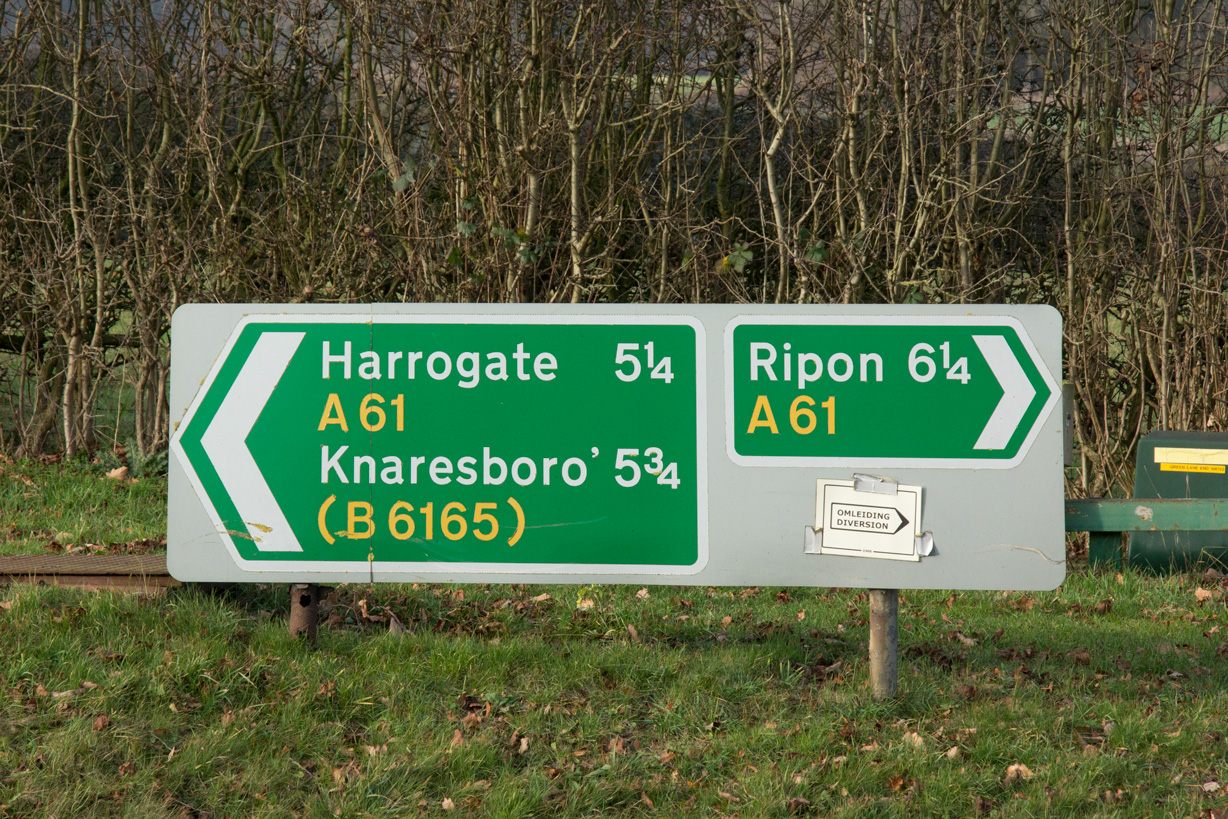
From Beckwithshaw, the route is on the B6161 to Killinghall, where it joins the A61. The A61 takes the riders on to Ripley.

Next, they pass South Stainley, Wormald Green, and reach Ripon. Here, they are previewing the UCI 2019 elite men's road race (but going the other way).

Leaving Ripon on the A6108, the pack heads for North Stainley and West Tanfield.
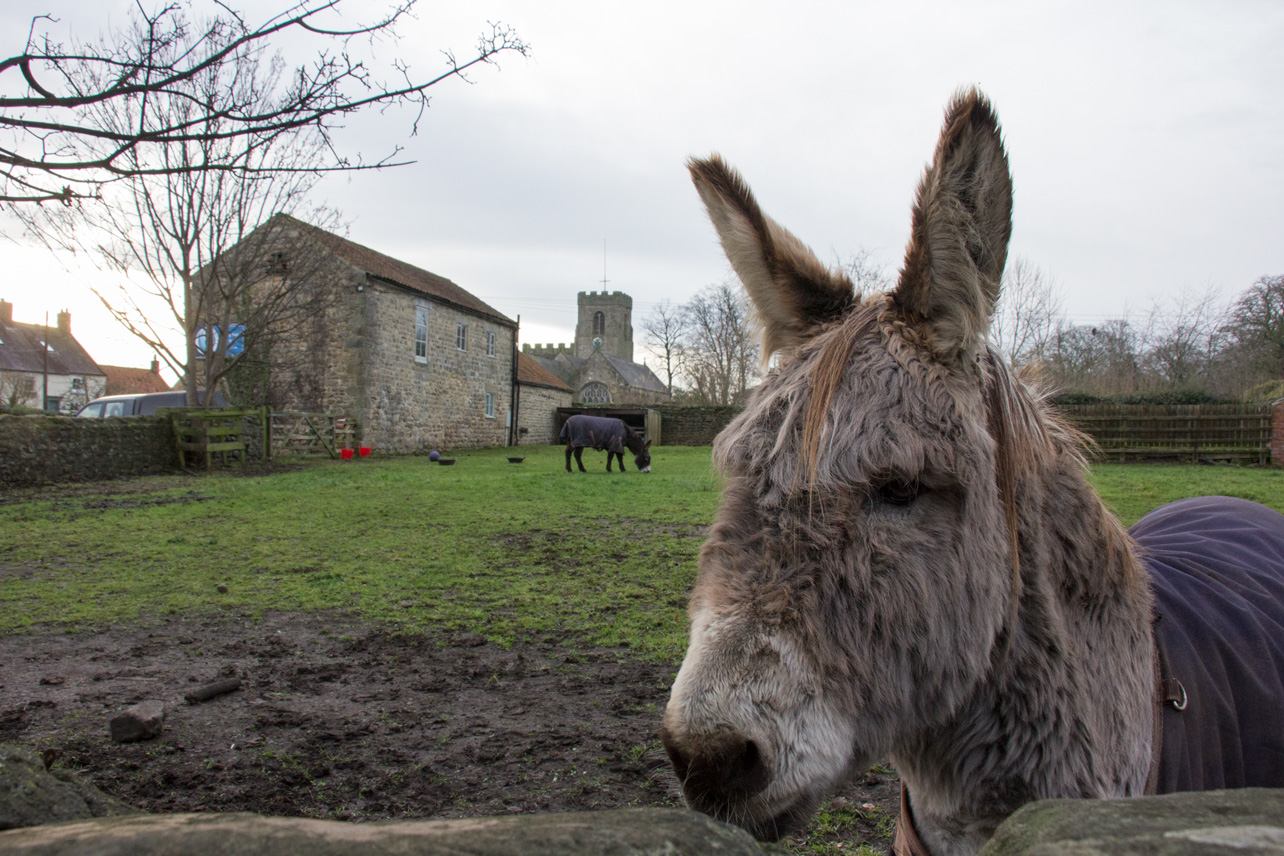
The race leaves the A6108 at West Tanfield, and heads past Nosterfield Nature Reserve to Carthorpe. (These are brilliant cycling roads).
Finally, at Burneston the riders join the B6285 (an awful cycling road, when it isn't closed to traffic), and head for Bedale.
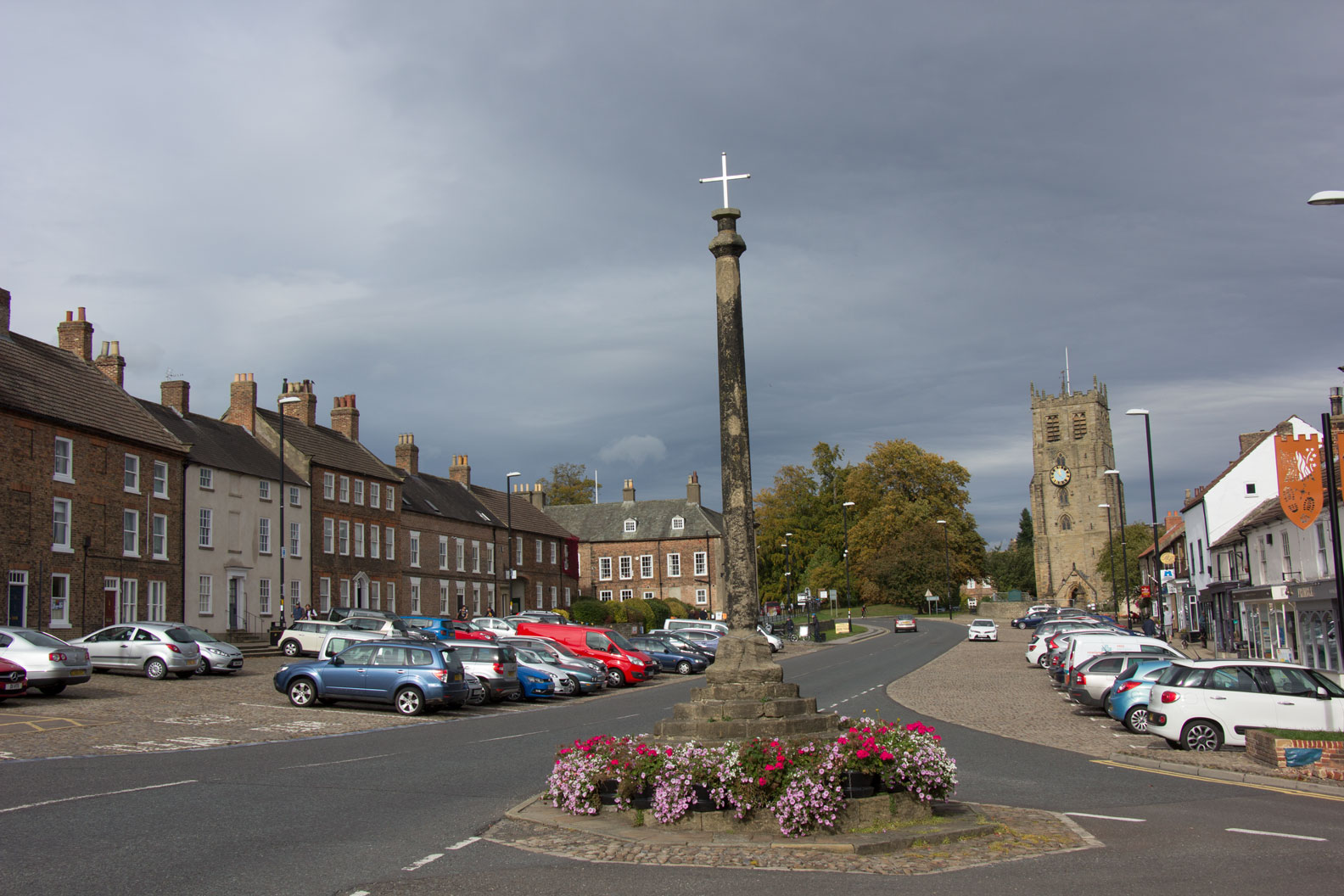
The riders will sprint along Bedale Market Place towards North End, with the finish line close to the church of Saint Gregory.
UCI
2019 World Champs Yorkshire

News and route guides for the UCI 2019 event in Harrogate.
Read about the 2019 UCI World Championships in Yorkshire.
Stage 2, Tour de Yorkshire 2019: towns & places of interest on the route
Stage 2, Tour de Yorkshire 2019: Barnsley
Barnsley is a large town to the north of Sheffield, near the valley of the river Dearne. The population is around 91,000.
The origin of the name Barnsley is uncertain, but it could come from the Saxon for barn and field ('lay'). The first settlement here was built by the monks of Pontefract Priory.
The traditional industry in Barnsley was linen (1700s and 1800s), then later coal-mining and glass-making. The HQ of the National Union of Mineworkers is still in Barnsley, although all the collieries in the area have closed. The first bottle bank for collecting glass for recycling in the UK was in Barnsley - put in place in 1977.
Today, cake makers Premier Foods are based in Barnsley, as are online retailer ASOS.
Brass bands associated with collieries are still kept going in and around Barnsley. The Arctic Monkeys studied music at Barnsley College.
Barnsley FC play at Oakwell Stadium.
Stage 2, Tour de Yorkshire 2019: Ripon
Ripon is said to be the 4th smallest city in England, with a population of 16,702 (2011 census). It is at the confluence of the rivers Laver, Skell, and Ure.
History
There was no known Roman presence at Ripon (the nearest military camp being at North Stainley). Ripon was founded by St Wilfrid during the Angle kingdom of Northumbria, around 658AD, at the time that he brought craftsmen from the continent to build the church of St Peter. The settlement was then known as Inhrypum.
The area was under Viking rule for a time. Following the Norman invasion, there was a rebellion in the north in 1069, which was suppressed ('the Harrying of the North'). Ripon suffered at this time, and its population was reduced.
In the 1100s, Ripon developed a wool trade, selling to Florentine merchants, and in the 1300s, it began making and selling cloth. In the 1500s and 1600s, Ripon became a specialist in spurs - hence the expression, 'as true steel as Ripon rowells.'
Ripon Hornblower
During the time of Edward I and Edward II (1200s and 1300s), there were incursions by invaders from Scotland, and Ripon had a wakeman, who was responsible for the safety of the city, and enforcing a curfew. (Nevertheless, Ripon had to pay a sum of money to the Scots on one occasion to prevent them burning the city).
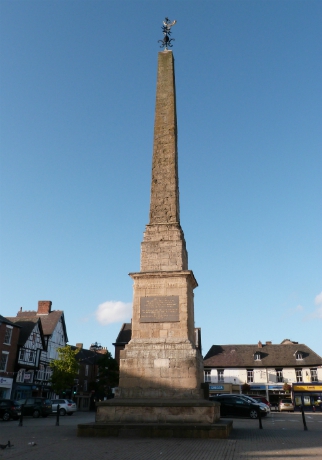
The tradition of the wakeman lives on in the Ripon Hornblower. At 9pm, a horn is blown from the four corners of the obelisk on market square, in a ceremony known as 'setting the watch.' (It is claimed that this has happened every evening since 886AD).
Ripon Cathedral

The crypt of Ripon Cathedral dates from the mid-600s, when the first stone church was built here (dedicated to St Peter in 672AD). St Wilfrid was responsible for the first church, and he is interred in a tomb in the Cathedral. (He is also celebrated in the annual St Wilfrid's procession).
Subsequent churches were destroyed by the English king in 948, and during the Harrying of the North in 1069. Much of the present structure was built in the 1100s under Roger de Pont l'Eveque, but the Early English west front dates from the 1200s, and the nave was rebuilt in the 1500s and 1600s in Perpendicular style. It became a Cathedral in 1836.
Ripon's attractions
There has been racing in Ripon since 1664, but the current racecourse dates from 1900.
Close to Ripon are Fountains Abbey and Studley Royal water garden and deer park.
Stage 2, Tour de Yorkshire 2019: West Tanfield
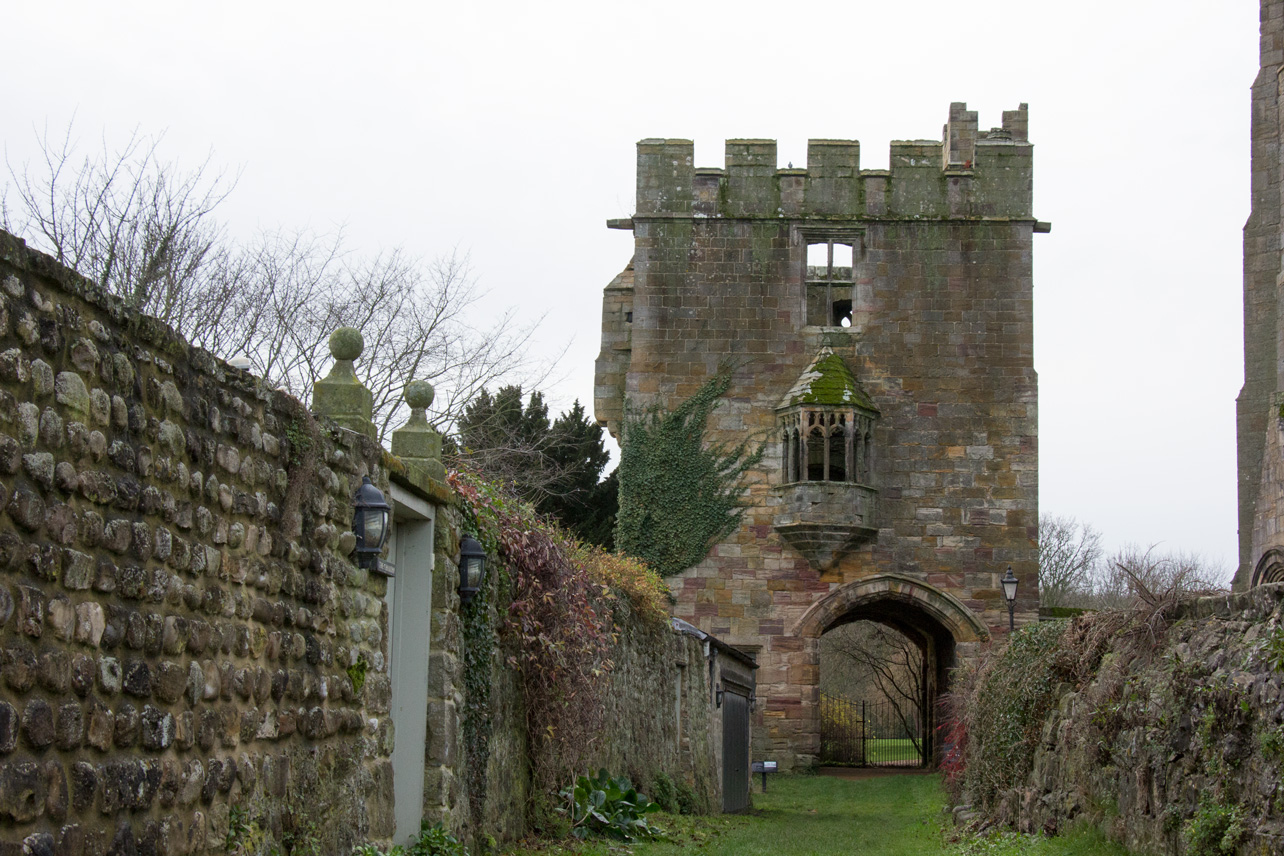
West Tanfield is a village on the river Ure. It is an ancient settlement, which was referred to as 'Tanefield' in the Domesday Book (Wikipedia).
The name 'Tanfield' probably comes from Old English, and means field where young shoots grow. After the Norman conquest, the land here was owned by Norman nobility; it was in the hands of the Norman Marmion family until 1387.
The Marmion family lived in a dwelling called the Hermitage, later referred to as Tanfield Castle after it was crenellated. In the 1400s, a gatehouse was added, known as the Marmion Tower. The Hermitage/castle no longer exists, but the marmalade tower is still standing, and is looked after by English Heritage. It is free to visit, and you can go up the stairs to the first floor and look out of the Oriel window.
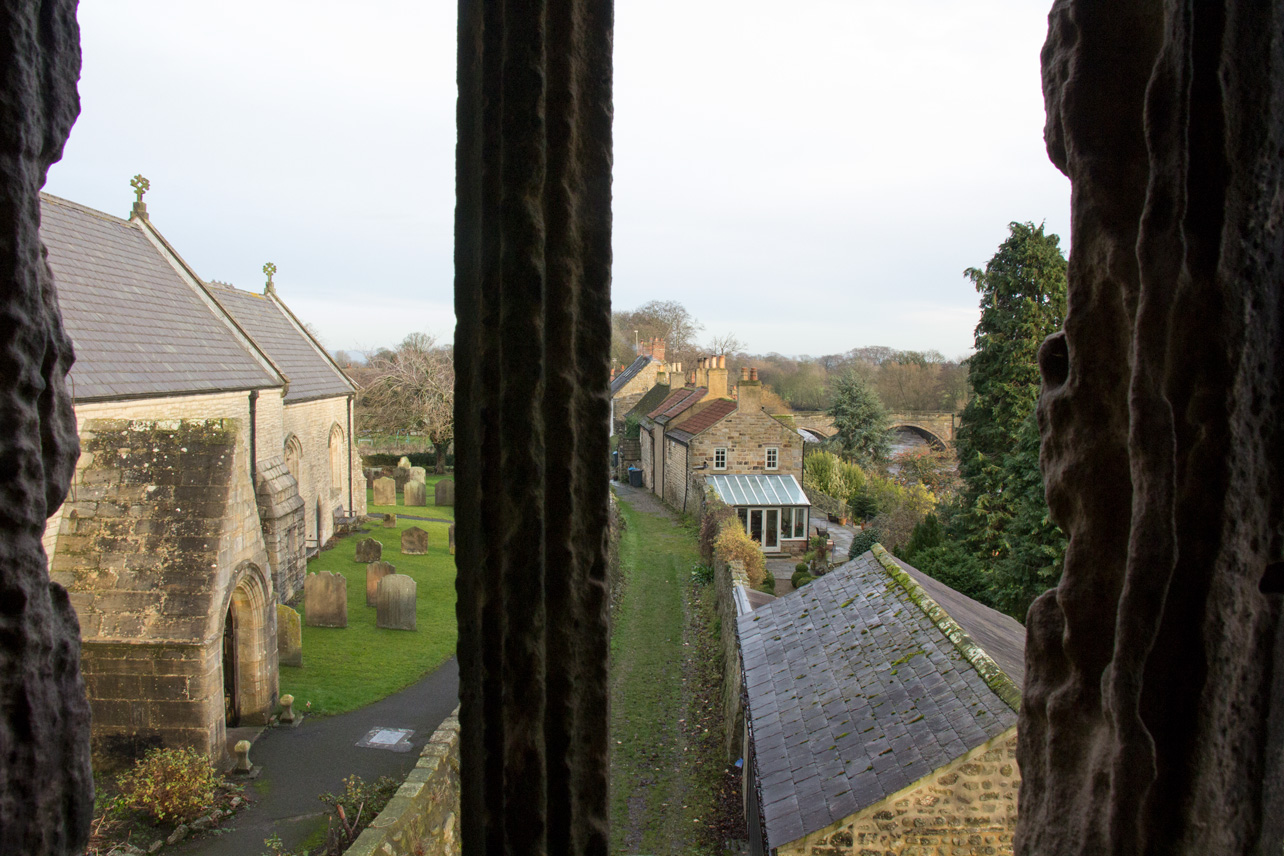
William, Kate, and Harry watched Stage 1 of the Tour de France here in 2014. No doubt the UCI World Championships 2019 will be another big event in West Tanfield, and the local people will make it special and spectacular.